


Home » Industries

Industries

Our processors’ flexibility and versatility give them a large range of applications across many industries.  Click on industry below to see some of what we have done and how we might help you.

INDUSTRIES

Minerals

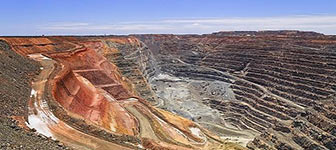
The TORBED technology is ideally suited to mineral processes where energy efficiency, total footprint, process control, and fast reaction rates are important.

Vermiculite

Processing of vermiculite provides a perfect illustration as to why the Torftech technology offers superior solutions for the thermal treatment of minerals.

Vermiculite is a naturally occurring mineral.  When crushed, graded and fed into a hot furnace (1,200ºC or 2,200ºF), the vermiculite expands to produce a lightweight particle that is then used in a range of horticultural and industrial applications.  The process requires a very rapid heat transfer to the particles to promote as large an increase in particle size as possible to give low densities. Historically, vertical shaft and rotary kilns have been used to exfoliate vermiculite.

The TORBED processor has shown itself to have unique capabilities in this industrial mineral processing application in producing higher-quality, lighter and more consistent product with lower energy consumption.  High heat and mass transfer and precision of control with the TORBED processors have provided these advantages.  Most important, the TORBED process provides more saleable product per unit of raw material fed i.e., a higher yield.

TORBED processors have been successfully installed in 18 major production plants in Europe, Japan and the United States of America.  Throughputs vary according to raw material grading but typically range from 1-5 tonnes per hour. The oldest Operational TORBED was sold to British Gypsum in 1989.  Regularly refurbished, it has now completed 35 years of round the clock service.

Calcining

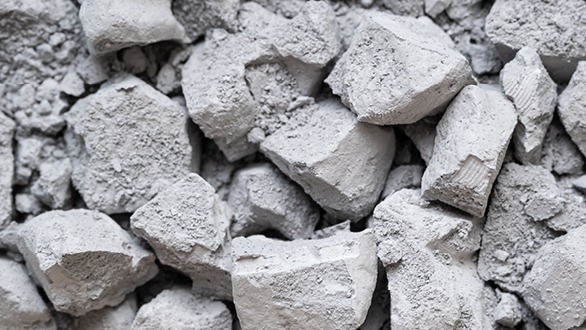
During 2025 and 2026, we supplied a TORBED processor-based plant to flash calcine waste clays (construction spoil and demolition rubble) to produce a supplementary cementitious material which can be used as a substitute for cement in concrete.  This exciting installation:

High Temperature Flash Calcining

The ability of TORBED reactors to carry out flash processing of fine powders with particle retention times of often less than 50 milliseconds has led to the development of novel products and processes.  After extensive trials on specially commissioned pilot plants, a 1.5m diameter TORBED Reactor was successfully commissioned in 1999 for the flash processing of sub-5-micron ore, producing white paint dye from a clay feedstock for the then English China Clays (now Imerys).  In this case, the fine particulate feed is heated from ambient to more than 1,000ºC in milliseconds, providing a process environment where high surface area products are routinely produced. This reactor uses a direct gas injection technique whereby natural gas is mixed and combusted directly in the process chamber base allows intense high temperature calcination reactions to be undertaken.

These abilities, amongst others, distinguish the Torftech technology from traditional calciners such as rotary kilns.

Further Mineral applications

In addition to those described above, TORBED processors have been adapted for a diverse range of thermal mineral processes, including roasting of sulphides, calcination of lime, processing kaolin and producing metakaolin, de-hydroxylation, drying, preheating, and many other applications.  

We are experienced with high temperature and demanding processes that require tight process control to produce superior products with a high energy efficiency, low maintenance solution.  This is especially prevalent with fine minerals, where the TORBED technology can be used for flash processes.  Critically the high heat transfer rates means that during these flash processes the product surface area increases, which can lead to many desirable product outcomes.

Click here to see how the microwave-equipped TORWAVE processor extends the range of capability of our machines for mineral processing.

INDUSTRIES

Food Processing

40% of the Torbed processors sold have been to the food industry. The first was sold in 1987 for a snack food popping application.  Approximately half of these have been for applications in the cereal and snack food industries that account for many of the household names amongst our clients.

Other food applications include cereal popping, drying of ingredients and starches, roasting of nuts, coffee and spices. and many more.  We have a range of standard, all-electric batch processors as well as the ability to provide bespoke systems for any requirement, either batch or continuous.  Our processors’ standard abilities of thorough mixing, effective heat transfer and accurate control all combine to ensure even product quality and less waste.  Use TORBED processors for faster, greener processing and better tasting, more consistent products. Use TORWAVE processors where faster and higher heat transfer, greater control and volumetric heating can bring greater benefit.

Popped products

With snack foods, most products available are either fried or “cooker extruded” before being dusted with oil and flavours.  A trend toward lower fat and healthier eating snacks has allowed the development of new low-fat products, particularly based on expanded “half pellet” products.

For both snacks and cereals, TORBED processors have has shown themselves to have unique capabilities in producing higher quality, lighter and more consistent products with lower energy consumption. Indeed, some shapes of product can only be air expanded in a TORBED processor whose high heat and mass transfer and precision of control provide these advantages.  The installation is quiet and compact.  TORBED processors are in successful operation in several major production plants in Europe, Australasia, the Americas and the Middle East, popping snacks and cereals.  Rapid and even processing in our food machines means that pellets are popped without a problem, with no burning or under-processing and less waste

Roasting

In our standard TORBED machines, excellent process control and homogeneity combine with the fully electric system for precision roasting of coffee, nuts, seeds, spices and more and potentially, a reduced carbon footprint in contrast to, say, a rotary kiln for coffee roasting.  The enhanced heat transfer and roasting time can increase the product surface area, improving flavour and extractability of flavour compounds.

Pasteurisation

The unparalleled heat transfer to seeds or herbs allows surface heating to occur to destroy contaminants without over-heating the overall product.  Traditionally spices have been pasteurised by steam or radiation.  The former technique has limitations in terms of product quality and ultimate levels of pasteurisation.  It has been found by extensive trials on a range of spices that much lower residual contamination can be achieved using the TORBED reactor with hot air as the process medium.  The TORBED-based process has shown itself to have unique capabilities in these applications in producing higher quality, more consistent product at low energy consumption with low residual contamination levels.  The process can rapidly be changed for different products and characteristics.  The installation is quiet and compact. Full-scale production plants are in operation processing 300 – 400 kg/h of spices and other ingredients.

INDUSTRIES

Sludge Processing

The Torftech technology has been used extensively to dry sludges at both commercial and trial level on materials such as sewage sludge, paper sludge, zeolytes and drill cuttings. Pictured opposite is a three stage TORBED paper sludge dryer that has been in operation since 2003.

Some of these processes include combustion, gasification or calcination of the dried material to provide a heat source for the drying part of the process.  Our current focus is on paper sludge.

Torftech has over 20 years of experience in the paper industry, dealing with paper sludge to turn a waste stream in to a product stream.  We have created systems for paper sludge drying, as well and for the calcination of the residual minerals in the sludge while combusting the remaining fibre.

The Intense processing in the TORBED reactor means that the paper sludge can be processed without problems around maintenance, and by making use of waste heat within the paper mill.  By incorporating the TORBED calciner with the TORBED paper sludge dryer in many cases the system can be self-sustaining as well as providing additional energy to the mill, displacing some of the fossil fuel usage typically required for raising steam.

The TORBED technology can provide paper mills with a means of eliminating their waste streams, whilst in turn providing a net energy benefit to the mill and producing a product that can bring in revenue streams.

Efficient paper sludge processing helps in waste reduction and environmental protection and also contributes to the circular economy by turning waste into valuable resources.  Our technologies and approaches optimize this process, enhance sustainability, and comply with regulations.

Our earliest experience with paper sludge was a dryer, which replaced an industrial belt dryer which was much larger.  The dried paper sludge was used for animal bedding, completing the recycle of the wastepaper that led to the paper sludge in the first place.  This machine replaced a much larger and more complex bely drier, achieving consistent higher availability (over 8000 hours per year) reducing maintenance cost and saving operational cost (through remote operability).

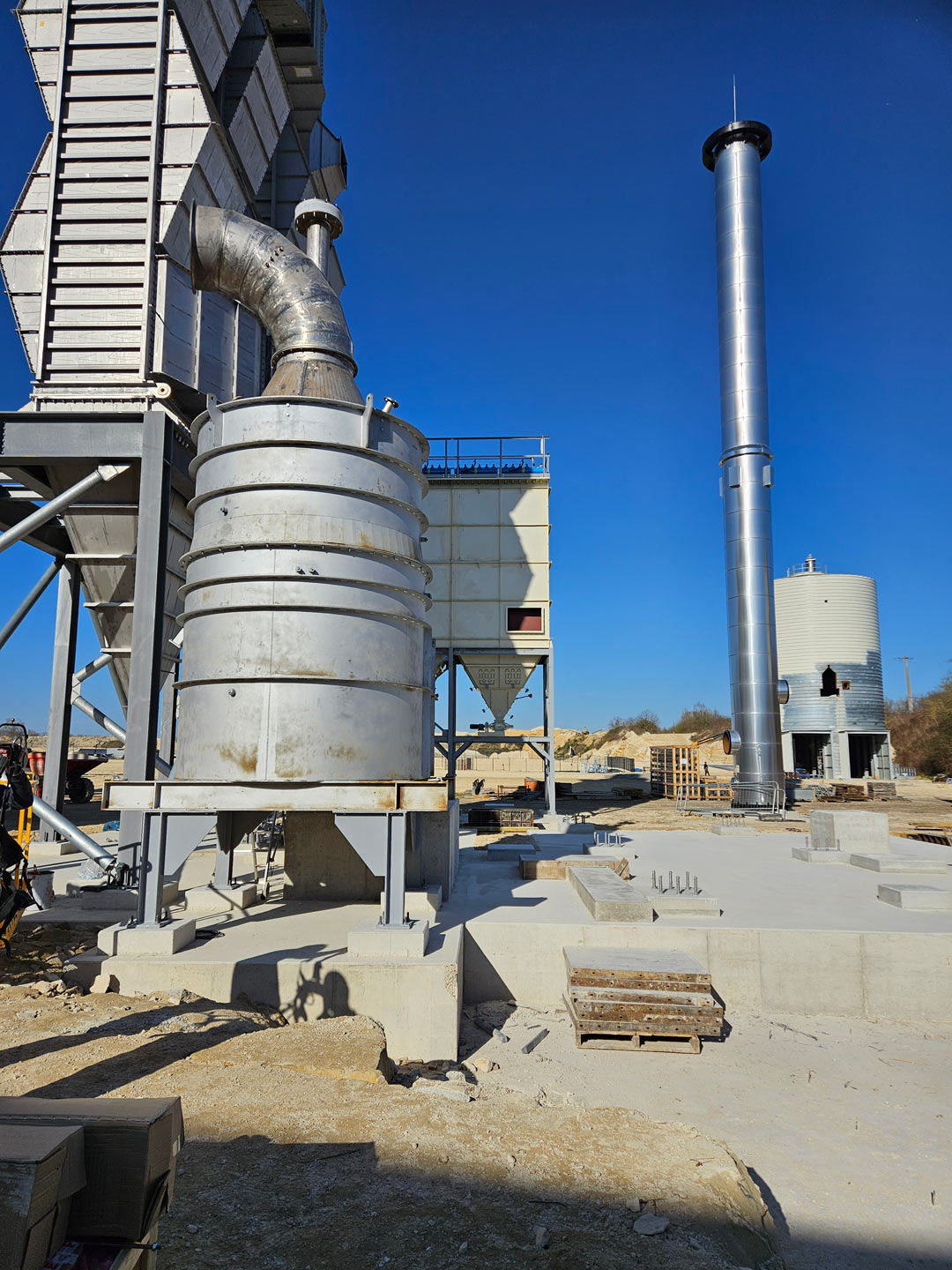
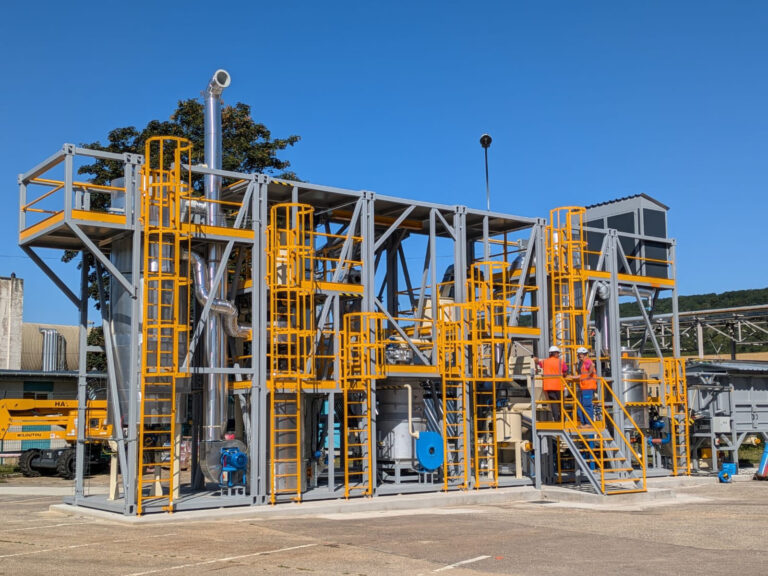
A more recent project (pictured  below right) completes the recycle in a different way.  This groundbreaking facility offers a means of reducing the carbon footprint of two foundational industries: paper and cement. The plant uses TORBED processors to convert paper sludge into a lime product.  It’s immediate carbon-reduction impact is to reduce the methane-producing landfilling of paper sludge.  This lime mineral, a supplementary cementitious material, will play a pivotal role in the production of low carbon cement and the plant also produces high quality heat, reducing energy consumption at the paper mill.

Circular economy:

By converting paper sludge to a combination of heat and a supplementary cementitious material, the plant provides energy and valuable minerals thereby valorising a sludge that would otherwise go to waste.

Energy Efficiency:

The heat generated during the process will be partially recycled to dry the paper sludge, with the remainder utilised for various industrial processes. This energy-conscious approach not only enhances sustainability but also contributes to substantial cost savings.

Waste Utilisation:

This process extracts value from not only wastepaper sludge but also converts plastic rejects from the mill into useful heat. The accurately controlled process destroys the plastics, ensuring that there is no microplastic or other waste stream that is damaging to the environment

Torftech Technology:

Our TORBED processors play a pivotal role in ensuring precision, control, and consistent production of high-quality lime minerals. Low footprint and maintenance requirements contribute to cost-effectiveness and lifetime economic benefit.

Commercial Certification:

By converting paper sludge to a combination of heat and a supplementary cementitious material valorise wastepaper sludge the plant provides energy and valuable minerals from a sludge that would otherwise go to waste.

INDUSTRIES

Waste Processing

We have a long history of dealing with waste processing that requires specialist conditions or excellent process control. TORBED processors are ideally suited to these challenging processes when a tight control band is needed to ensure that there are no problems with under-treating the waste or with over-treating it and creating additional processing steps.

Wastes treated include oil contaminated fines, carbon poisoned catalysts, spent pot liners from the aluminium industry, recycled road stone, oily cuttings from drilling operations, paper sludge and many others.  The low footprint of the TORBED reactor also means that it is an excellent solution for retrofitting into existing plants where waste control has become a new challenge.  Some examples follow.  More can also be seen in dedicated sludge, carbon and catalyst processing sections.

Drill Cuttings

A TORBED processor was tested at BP’s Sunbury laboratories, processing 150 kg/h of oil-contaminated solids on behalf of a consortium of oil and gas companies. Following these successful tests, the consortium funded further development, leading to a transportable de-oiling plant designed for offshore use. The plant demonstrated the controlled removal of hydrocarbons from solids, providing an efficient solution for treating oil-contaminated materials in remote or offshore environments.

Swarf Drying

Metal wastes from machine shops, such as swarf and mill scale, are often contaminated with cutting oil and coolants. These contaminants cannot be directly introduced into remelting processes due to the risk of steam explosions and disruptive vapours. A TORBED processor was able to evaporate the oil and water from these wastes, providing up to 8 times higher throughput of consistent high-quality metal with minimal oxidation compared to rotary kiln-based methods and significantly lower energy consumption.

Road Stone Devolatilisation

In 2000 a 1.8m diameter TORBED reactor was commissioned for the devolatilization of asphalt-coated road stone at a rate of up to 20 t/h. The TORBED reactor volatilizes the old asphalt, including polycyclic aromatic hydrocarbons (PAHs), allowing the cleaned road stone to be recoated and reused. The volatile by-products from the asphalt are thermally oxidized in the upper section of the reactor, ensuring that emissions are minimized and controlled. This closed-loop system makes the process both efficient and environmentally friendly.

Pot Lining Combustion

Spent pot lining (“SPL”) from aluminium smelting contains hazardous materials, including refractory, carbon, fluxes, and cyanide, making it a toxic waste. Comalco Aluminium Ltd of Australia, starting in 1987, developed a process to treat SPL safely. After attempts with other technologies such as rotary kilns and fluidized beds failed, a TORBED reactor successfully thermally dissociated the cyanide in the SPL. In 1990, a plant processing 3,000 tonnes per year of SPL was commissioned. By 1994, capacity increased to 10,000 tonnes per year, proving the effectiveness of the TORBED reactor as an industrial waste combustor in handling this hazardous material and producing a non-hazardous waste stream.
INDUSTRIES

Biomass Processing

Widely used for processes that involve fines, TORBED dryers have been extensively deployed in both the food and biomass industries.  In comparison to alternative technologies, they offer comparative compactness, consistency of output and reduced mechanical complexity.

The TORBED Biomass Dryers are a highly efficient and compact solution for drying biomass feedstock, such as sawdust and waste wood chips, making them ideal for biomass fuel production.  These dryers offer several advantages over traditional industrial belt dryers or rotary drum dryers, including:

Compact and Efficient Design:

TORBED dryers take up less space and require less energy than bulkier alternatives such as rotary drum dryers, industrial belt dryers fluidized bed dryers.

High Drying Capacity:

The largest TORBED biomass dryers installed can process up to 10 tons per hour of feedstock per hour.

Uniform Drying:

These dryers ensure even processing, preventing discoloration and maintaining the quality of the output.

Versatility:

They are suitable for drying feedstock for industrial gasifiers, which require specific moisture content, making them a viable alternative to traditional drying systems. With over 40 installations already in operation, TORBED dryers are a proven solution for the biomass industry, improving the efficiency of fuel preparation for biomass energy production.

Torrefaction:

A process of roasting biomass, driving off water and reducing bulk. Torftech supplied its first torrefaction plant in 2010/11 and has continued since to refine the technology.

Gasification

Flexible TORBED industrial gasifiers display our hallmark control and flexibility, offering temperature control to prevent sintering of high alkali metal content biomass and the ability to accept and process pieces of biomass of varying sizes.

Gasification in a TORBED processor involves heating biomass in a controlled environment with limited oxygen, converting the feedstock into syngas (a mixture of hydrogen, carbon monoxide, and methane) and biochar.  The biochar can have valuable applications, particularly in soil remediation, increasing nutrient availability, and reducing the need for chemical fertilizers. Biochar produced from straw in a TORBED gasifier has been analysed by the University of Leeds, where tests identified a surface area of 463 m²/g.  This surface area can be significantly enhanced through activation using CO₂ or KOH (potassium hydroxide), making the biochar more effective for various industrial or agricultural applications.  Biochar produced in a TORBED gasifier has been sold commercially for soil remediation purposes.

TORBED gasifiers offer a space-saving solution in comparison to conventional updraft, downdraft, or fluidized bed gasifiers, while maintaining high efficiency in biomass conversion.  They are also versatile, capable of handling a wide variety of feedstock materials.

INDUSTRIES

Insect Processing

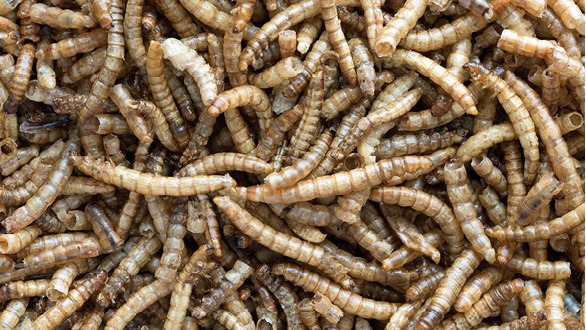
There is significant global interest in processing insects for animal or even human consumption.  A TORBED processor has been used for separation of larvae from frass.

Looking at the broader insect plant flow sheet, our processors offer potential as gasifiers, creating energy from the frass and as dryers, where in either dry or wet rendering processes, they can dry insect derived proteins without damaging them.

INDUSTRIES

Carbon Processing

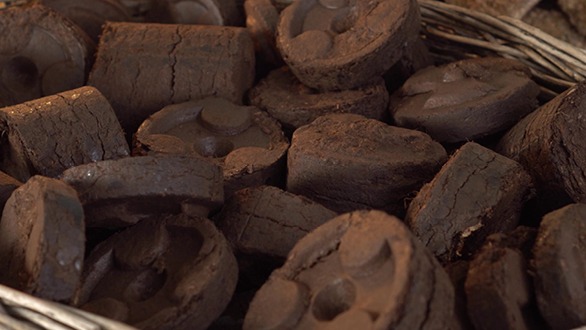
We sold our first processor to the carbon sector in 1992.  It was used to dry coal slimes, turning a waste into a viable fuel.  Since then, TORBED processors have been used to regenerate spent activated carbon and to create an active biochar at commercial scale (It was sold commercially for soil remediation purposes) and to torrefy wood to create biocoal, also at commercial scale.

The TORBED processor offers broad ranging processing capabilities for the treatment of lignite, sub-bituminous coal and coal waste ranging from drying to devolatilization to activation.

INDUSTRIES

Industrial Catalyst Processing

The first TORBED processor used for catalyst processing was installed in 1997.devolatilising and recycling spent industrial catalysts containing hydrocarbons, carbon, and sulphur.  Two processors were installed to remove these contaminants, facilitating the recovery and recycling of the catalysts while minimizing environmental impact.  The ability to control strong exothermic reactions allowed the regeneration and recovery of catalysts and zeolites to be carried out faster and with greater precision.  The precise temperature control achieved in endothermic calcination of catalyst substrates produces higher surface area support structures and more reactive catalysts.

There are several application areas where TORBED reactors are already utilised including:

  • Catalyst manufacture
  • Catalyst regeneration
  • Catalyst recovery
  • Zeolite regeneration

Catalyst and zeolite regeneration are excellent and early examples of TORBED processors offering circular economy solutions.  The TORWAVE processor with its combination of conventional and microwave heat sources, offers even greater process control where enhanced accuracy is needed.

Click here to see how a microwave-equipped TORWAVE processor extends the range of capability of our machines for catalyst processing.

INDUSTRIES

Industrial Gas Scrubbing

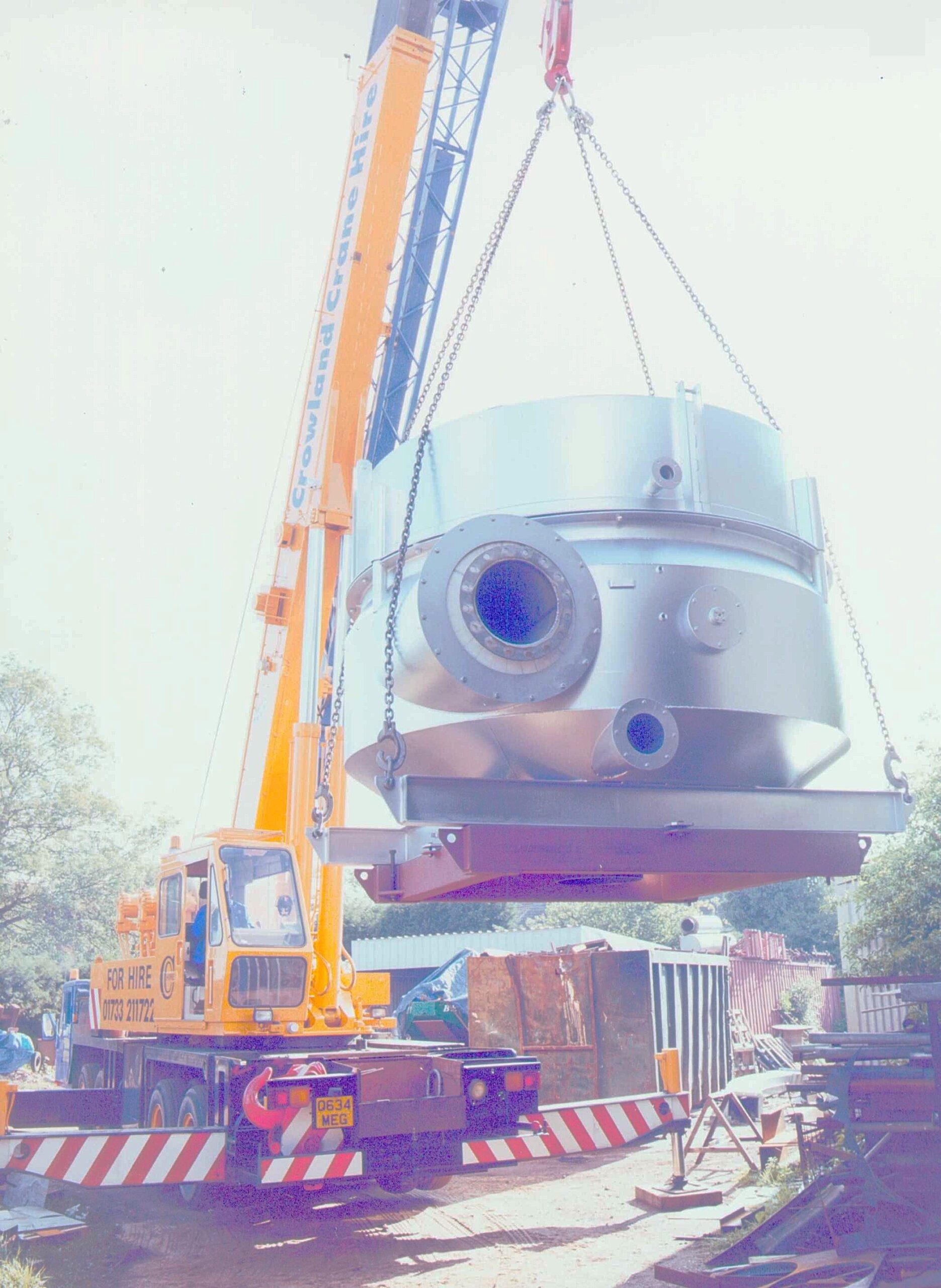
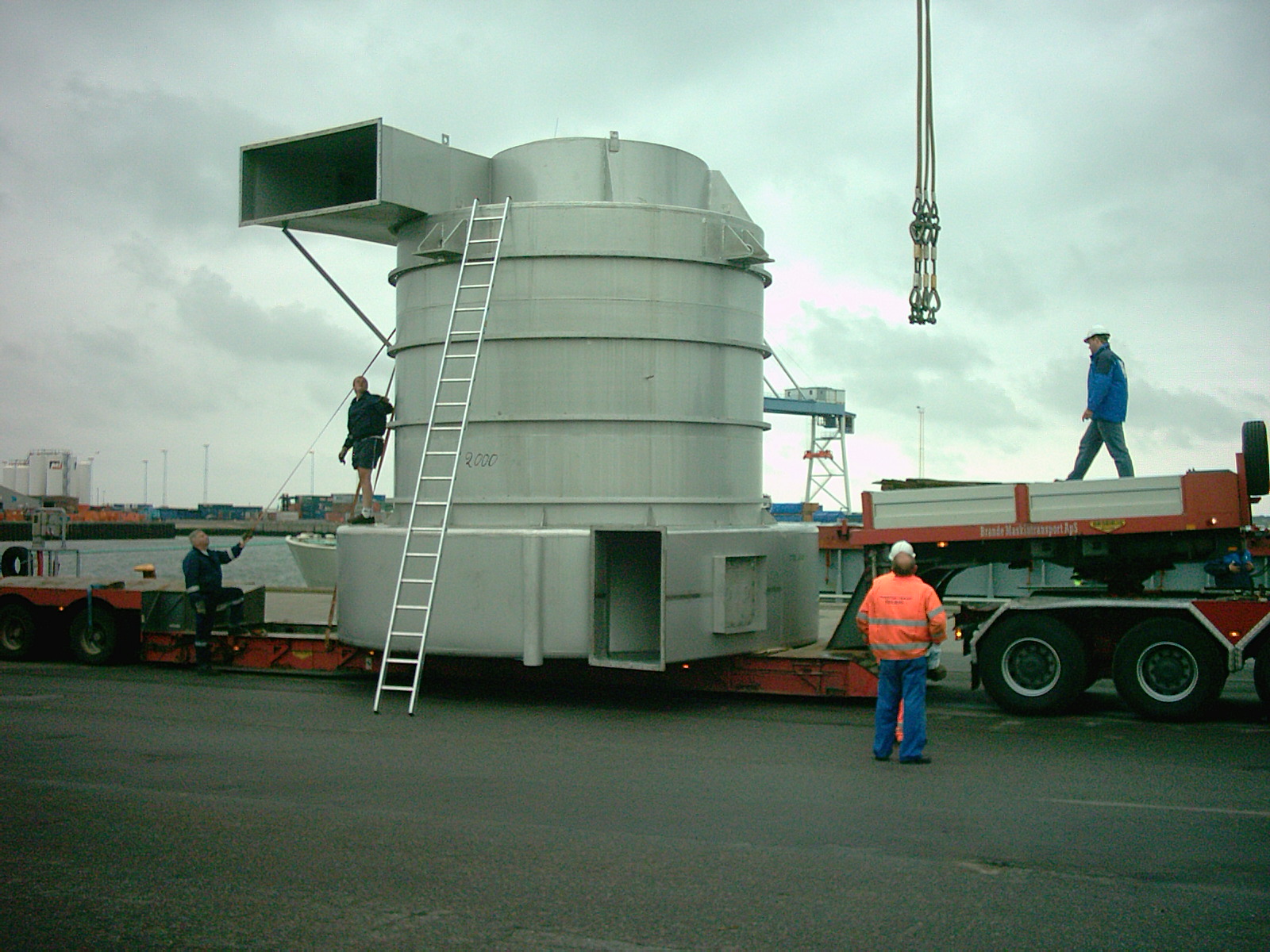
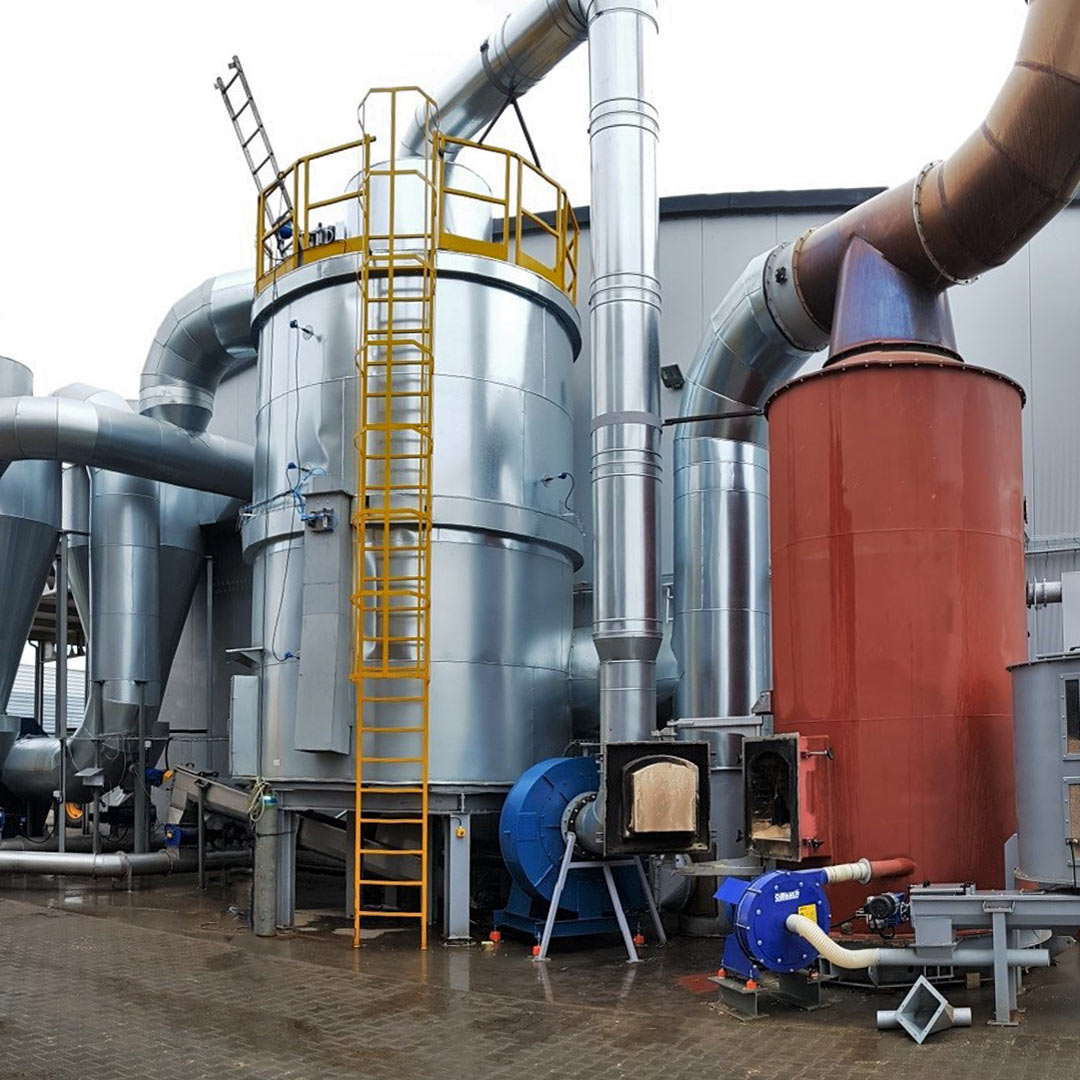
Our processors accuracy and thorough mixing make them ideally suited for gas scrubbing.  As well as the largest ever TORBED processor installed, gas scrubbing also accounts for the smallest TORBED processor we have supplied, a 50mm internal diameter machine 3-D printed from resin and used for testing carbon capture reagents, with notably effective results

Industrial gas scrubbing is the core of any carbon capture technology, and we continue to collaborate on projects designed to test the efficacy of reagents in carbon capture.  A TORBED processor designed to sequester CO2 from a mixture of air and process gasses was installed in 2024.

The first TORBED industrial gas scrubber, a pilot plant was installed in 1991.  The extract ductwork that draws fumes away from the smelting pots in an aluminium smelting plant contains levels of contaminants, including HF that need to be removed from the exhaust before discharge to atmosphere.  The TORBED reactor is used to contact alumina with the exhaust gas stream to adsorb the pollutants prior to discharge.

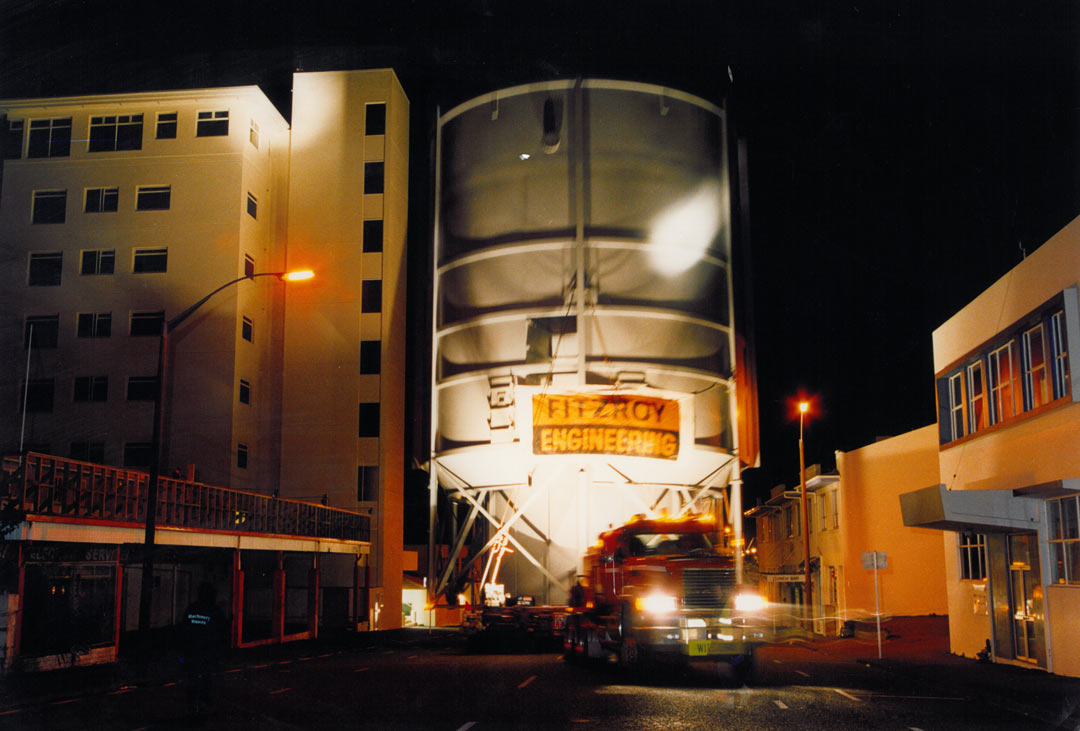
After construction of a 5000mm prototype in 1993, a 6000mm (20 ft) diameter two-stage reactor was installed and commissioned in early 1994.  The results were sufficiently favourable that New Zealand Aluminium Smelters Ltd decided to proceed with a new scrubbing plant based on thirteen 6000mm (20 ft) diameter TORBED reactors.  These were installed in1995/6 and the plant is achieving the best world standards.  A further 6 such units were commissioned at Comalco’s Bell Bay smelter in Tasmania in 1997. All 19 of these processors remain in operation.

The low pressure drop across TORBED processors is of particular importance in this application because the volumes of gases processed are high at 200,000 nm3/h (117,500 acfm) per TORBED processor and the particle size range that is used in the processor is small and substantially un-graded.  The use of venturi reactors, fluidized beds and reactant recycling systems had been explored, but these methods usually lead to increased processing time and/or significant pressure drops across the system which waste considerable amounts of energy.  In some instances, up to 20 times more reactant would have been needed to scrub the exhaust gases.  These technologies also call for large ancillary processing plants with additional capital expenditure.